As January 2026 begins, many Americans are hearing repeated claims about a possible $2,000 federal deposit. These conversations are spreading quickly across social media, online forums, and financial discussion groups. With high prices for housing, food, healthcare, and utilities still straining household budgets, the idea of a large federal payment naturally creates hope. However, it is important to understand what this $2,000 figure actually represents and what it does not.
What the $2,000 Federal Deposit Really Means
The $2,000 amount being discussed is not a newly approved nationwide stimulus payment like those issued during the pandemic. Instead, it usually refers to payments coming from existing federal systems. These include benefit adjustments, delayed payments, or tax-related refunds that happen to total around $2,000 for some individuals. There has been no official announcement confirming a universal payment for everyone in January 2026.
How Existing Federal Programs Create Similar Payments
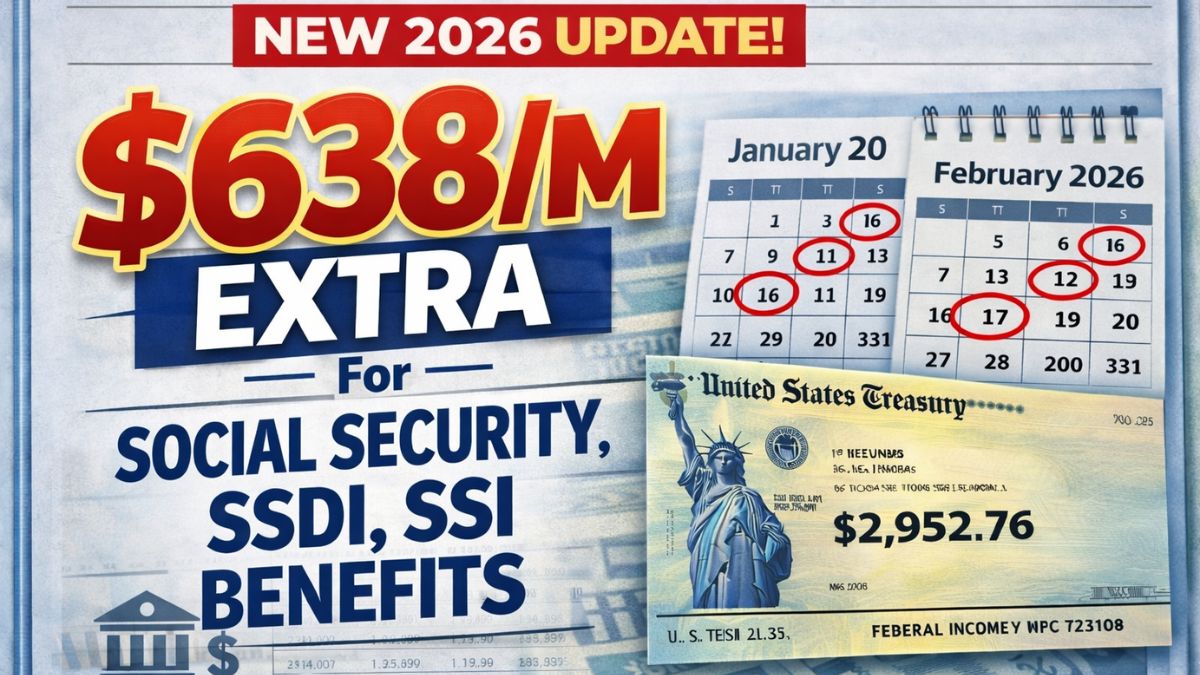
Several federal programs already issue payments that can reach or exceed $2,000 in certain situations. Social Security, Supplemental Security Income, Social Security Disability Insurance, and veterans’ benefits are regularly adjusted for cost-of-living changes or administrative corrections. Sometimes, delayed or retroactive payments are added together, resulting in a larger deposit than usual. When this happens, recipients may assume a new relief program has started, even though the payment is tied to existing benefits.

Who May See a Payment Around $2,000
Eligibility depends entirely on the specific program involved. Retirees receiving Social Security, individuals on SSI or SSDI, veterans receiving VA benefits, and families qualifying for refundable tax credits are the most common groups who may see deposits in this range. Income level, filing status, benefit type, and household size all influence the final amount. There is no single rule that applies to everyone.
Tax Refunds and Early-Year Deposits
A large number of deposits close to $2,000 in early 2026 will come from federal tax refunds. Families claiming credits like the Earned Income Tax Credit or Child Tax Credit often receive refunds of this size, especially when filing electronically with direct deposit. These refunds appear as U.S. Treasury payments, which can easily be mistaken for new federal relief.
Payment Timing and Delivery
Federal payments follow structured schedules. Direct deposits usually arrive first, while paper checks take longer. Social Security-related payments follow monthly schedules, while tax refunds depend on when returns are filed and processed. Because payments are staggered, not everyone receives funds at the same time, and delays do not automatically signal a problem.

How to Prepare and Avoid Confusion
The best preparation is keeping records updated. Filing accurate tax returns, confirming banking details with federal agencies, and checking official government websites helps prevent delays. Information shared on unofficial websites or social media should always be verified before being trusted.
Final Thoughts on the January 2026 Deposit Talk
There is no confirmed universal $2,000 federal deposit for January 2026. However, some Americans will legitimately receive payments around this amount through benefits or tax refunds. Understanding the source of these payments helps reduce confusion and supports better financial planning.
Disclaimer:
This article is for informational purposes only and does not provide financial, tax, or legal advice. No universal $2,000 federal deposit has been officially approved for January 2026. Payment amounts, eligibility, and timing depend on individual circumstances and federal program rules. Readers should consult official government sources or qualified professionals for guidance specific to their situation.