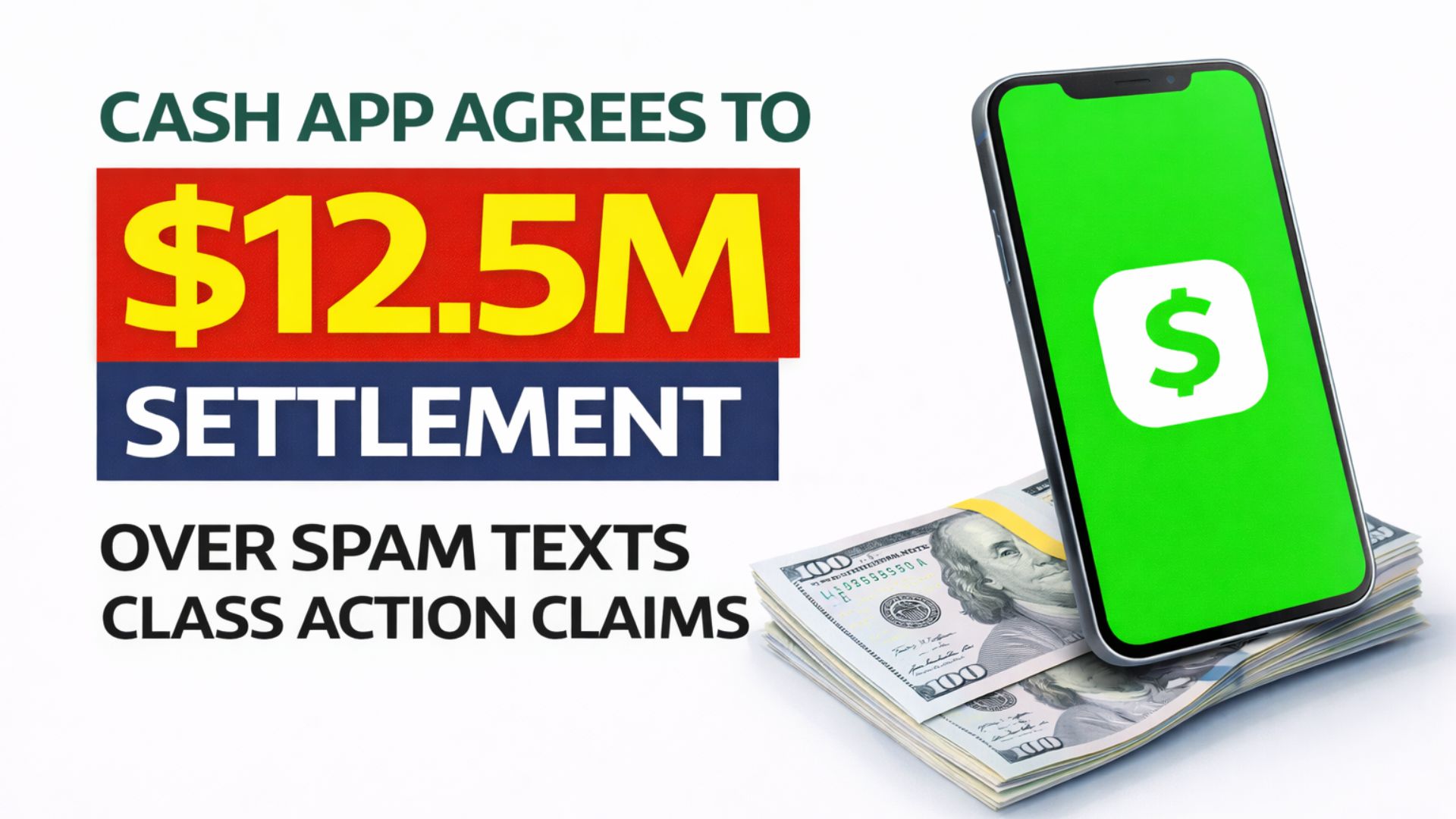
Millions of Americans may soon notice an unexpected deposit of about $147 in their bank accounts due to a legal settlement involving the mobile payment app Cash App. This payout follows a $12.5 million class-action settlement linked to allegations that the company sent promotional text messages to users without proper consent. The case has brought renewed attention to digital privacy, marketing rules, and consumer rights in the age of mobile apps.
Why the Cash App Lawsuit Happened
The lawsuit was filed after many Cash App users reported receiving marketing or promotional text messages they never agreed to receive. U.S. consumer protection laws require companies to obtain clear permission before sending promotional texts. The plaintiffs argued that Cash App failed to follow these rules and violated federal regulations designed to protect users from spam messages. Rather than continue a lengthy legal fight, Cash App agreed to resolve the matter through a financial settlement, while denying any admission of wrongdoing.
Details of the $12.5 Million Settlement
The total settlement fund amounts to $12.5 million. This money will be divided among eligible users who successfully submit valid claims. Based on current estimates, individual payouts are expected to be around $147 per person. The final amount each user receives may increase or decrease depending on how many approved claims are filed before the deadline.

Who Is Eligible to Receive the Payment
Eligibility generally applies to individuals who received unsolicited promotional text messages from Cash App during the time period covered by the lawsuit. Settlement administrators will review claims using details such as phone numbers, message timing, and other identifying information. Users who still have records of the messages, including screenshots or phone logs, may find it easier to support their claims.
How to Claim the Cash App Settlement Money
To receive a payment, eligible users must submit a claim through the official settlement process. Claims can typically be filed online or by mail, using the instructions provided in the official settlement notice. Basic information such as your name, phone number, and approximate dates of the messages is usually required. Users should be careful to avoid fake websites or emails and only submit information through verified settlement channels.
Why This Settlement Matters for Digital Privacy
This case highlights growing concerns about how companies use customer contact information. While marketing is common in digital services, failing to obtain proper consent can lead to serious legal consequences. The settlement sends a clear message that companies must respect user privacy and follow communication laws, especially in financial and technology platforms.

What Users Can Learn From This Case
The Cash App settlement reminds users that they have rights when it comes to digital communications. Compensation is not just about money but also about accountability. Staying informed, monitoring app permissions, and reporting unwanted messages can help protect personal privacy in the future.
Final Thoughts
The potential $147 Cash App settlement payment represents more than a refund—it reflects the importance of consent and transparency in digital services. For users, it is an opportunity to receive compensation. For companies, it is a reminder to follow the law and respect consumer trust.
Disclaimer:
This article is for informational purposes only and does not provide legal or financial advice. Settlement amounts, eligibility rules, and claim deadlines may change. Readers should refer to the official Cash App settlement website or consult a qualified professional for guidance specific to their situation.