As January 2026 draws closer, many Americans are paying extra attention to their money situation. The beginning of a new year often brings financial pressure, including higher rent, insurance renewals, medical costs, and credit card bills from the holiday season. In this environment, talk of a federal payment close to $2,000 has created curiosity and hope. To avoid confusion, it is important to clearly understand what this payment means and what people should realistically expect.
Understanding the Federal $2,000 Deposit
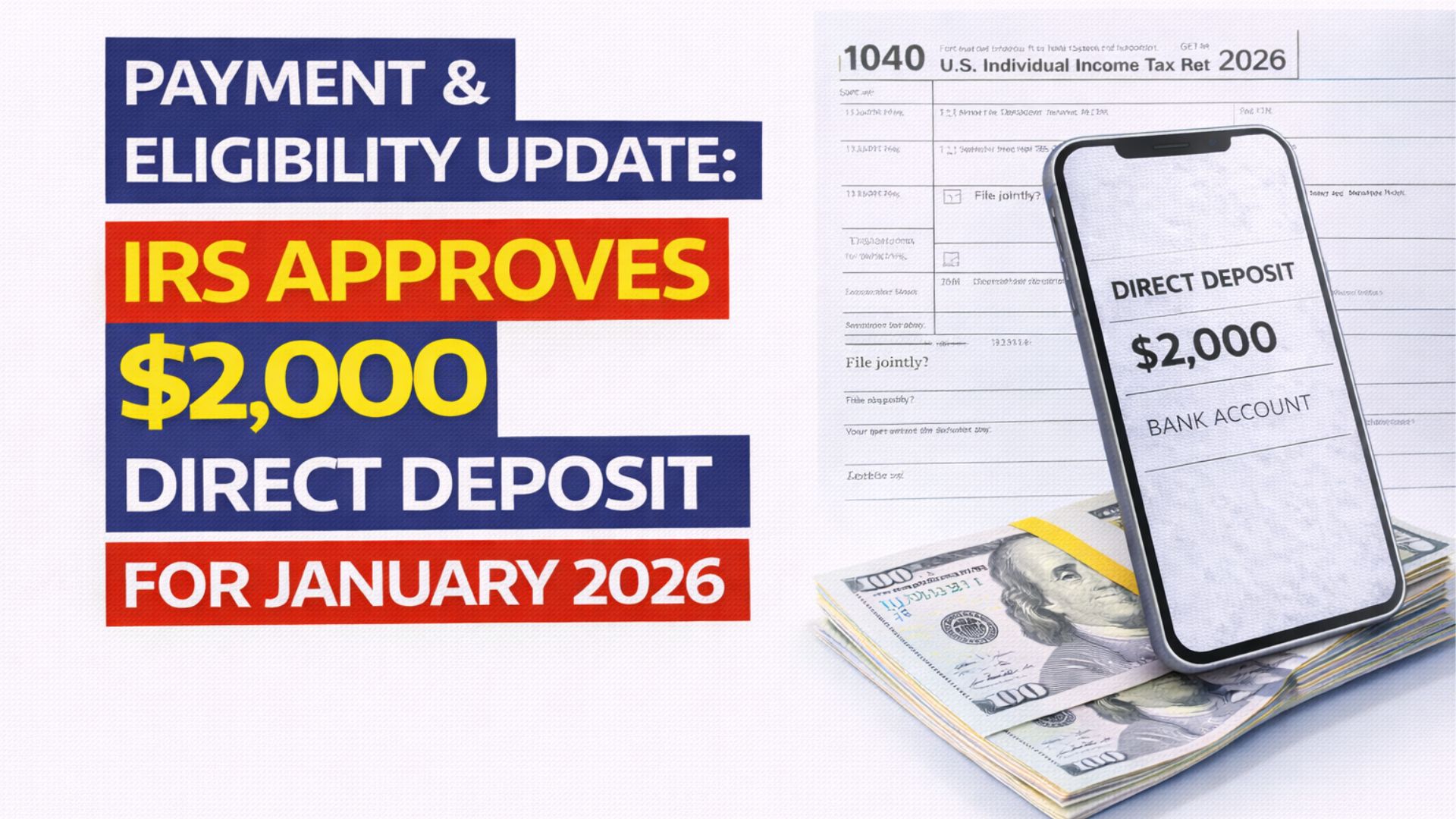
The federal $2,000 deposit being discussed is not a brand-new stimulus program for everyone. Instead, it refers to payments that may reach this amount through existing federal systems. These include tax refunds, benefit adjustments, or combined credits that are already part of current laws and programs. Federal agencies issue these payments based on eligibility rules that are already in place.
Why January Brings Payment Confusion
Every January, discussions about federal money increase because tax season begins and many benefit programs update amounts at the start of the year. When some individuals receive deposits close to $2,000, those personal experiences often spread online as if they apply to everyone. In reality, payment amounts vary widely depending on each person’s situation.

Who May Receive These Payments
Eligibility is based on participation in federal programs, not simply on being a U.S. resident. Payments usually go to people already enrolled in systems such as tax filing programs, Social Security, or other federal assistance. The amount depends on income, benefit type, filing history, and household details. Because of this, two people with similar backgrounds may still receive different amounts.
How Payment Timing Works
There is no single date when all federal deposits are issued. Tax-related payments depend on when returns are filed and processed. Social Security and similar benefits follow their regular monthly schedules. Banking processes and federal holidays can also affect when funds appear, so delays do not always mean there is a problem.
How Payments Are Delivered
Most federal payments are sent by direct deposit because it is fast and secure. The government usually uses bank details already on file. People without direct deposit may receive paper checks or prepaid cards, which take longer. Keeping banking and mailing information updated through official government portals helps avoid delays.

Staying Safe and Prepared
Federal agencies do not ask for personal or banking information through random calls, emails, or text messages. Any such contact should be treated with caution. Checking official government websites is the safest way to get accurate updates.
Why These Payments Matter
For many households, a payment near $2,000 is not extra spending money. It helps cover essentials such as food, heating, medicine, or overdue bills. Knowing how these payments work can reduce stress and help families plan better at the start of the year.
Final Thoughts
The federal $2,000 deposit expected around January 2026 reflects ongoing support through existing programs, not a new universal payment. Some people may receive it, others may not. Understanding eligibility and timing helps replace uncertainty with clarity.

Disclaimer:
This article is for informational purposes only and does not provide financial, tax, or legal advice. Federal programs, eligibility rules, and payment schedules can change. Readers should rely on official government sources or qualified professionals for advice specific to their situation.