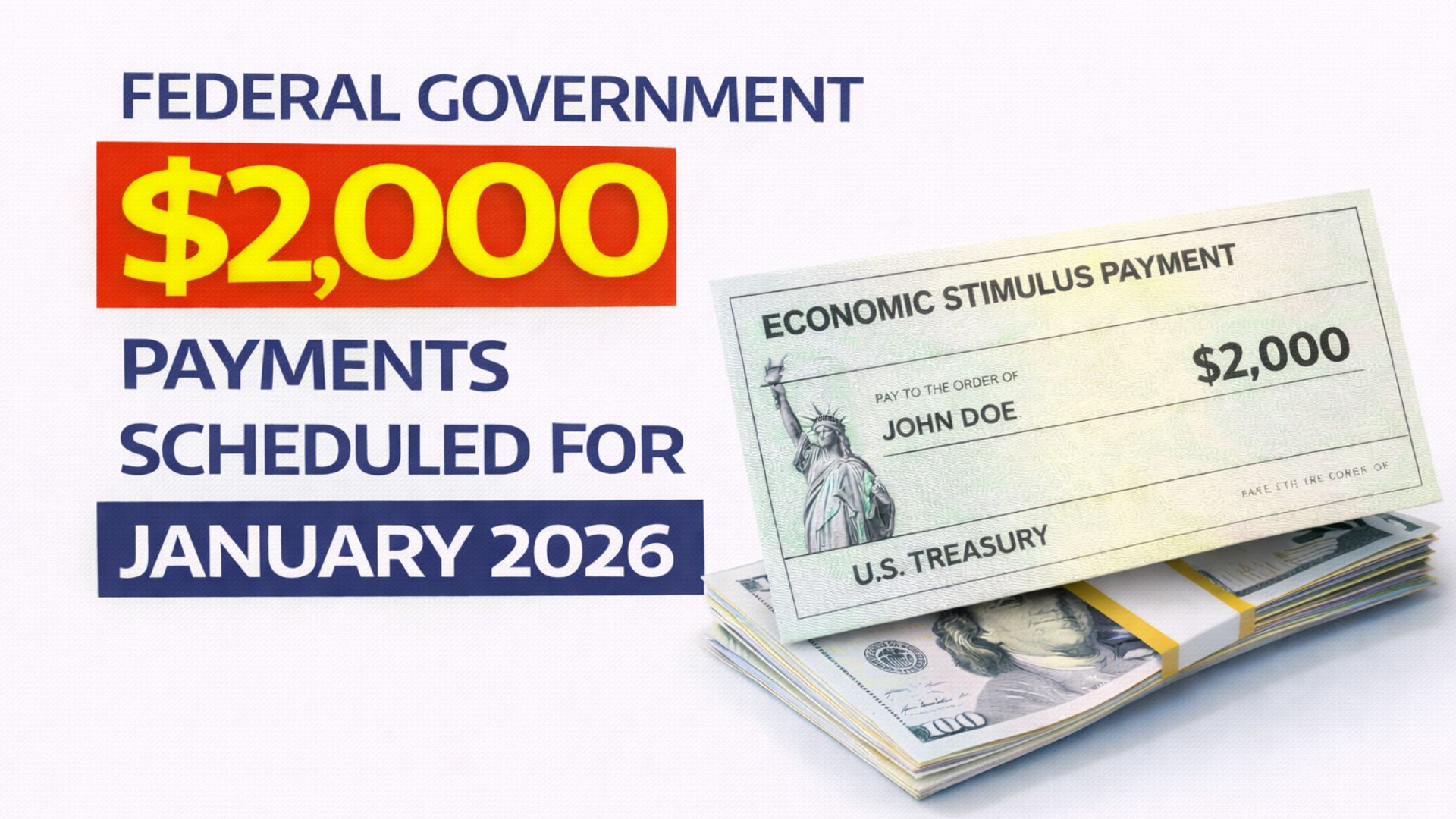
As January 2026 approaches, many Americans are preparing for a one-time federal payment of $2,000 that has been authorized to provide short-term financial relief. Rising living costs, winter expenses, and ongoing economic pressure have made this payment especially important for eligible individuals and families. Understanding how this payment works, who may qualify, and how to avoid delays can help recipients receive the money smoothly and use it wisely.
What the $2,000 Federal Payment Means
The $2,000 payment scheduled for January 2026 is a one-time relief measure approved by the federal government. It is designed to support eligible taxpayers and certain benefit recipients who meet specific criteria. This payment is not a regular monthly benefit and is not meant to replace long-term assistance programs. Instead, it provides immediate help for essential expenses such as rent, utilities, food, and medical needs.
Who May Be Eligible for the Payment
Eligibility depends on how the federal government defines qualifying recipients under the program. In most cases, eligibility is determined using recent tax records or benefit enrollment data already on file with federal agencies. Individuals who filed recent tax returns, receive federal benefits, or qualify under special non-filer rules may be considered. Because eligibility rules can vary, it is important to rely on official government guidance rather than online rumors.

How the Payment Will Be Sent
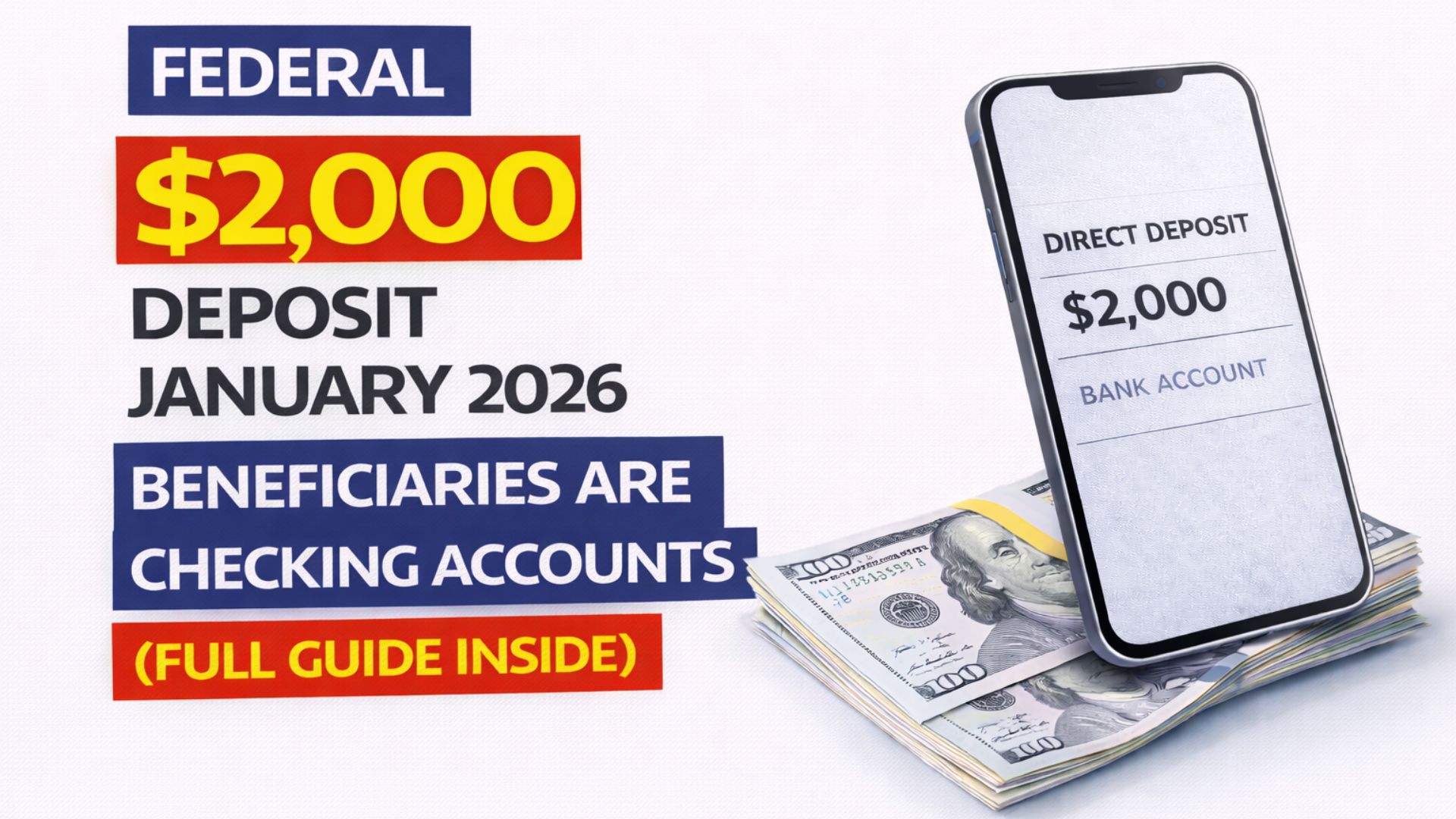
The government plans to distribute the $2,000 payment using secure and efficient methods. Most eligible recipients will receive the money through direct deposit into their bank accounts. Others may receive paper checks or prepaid debit cards if banking information is not available. Keeping bank details and mailing addresses updated with the appropriate agency is essential to avoid delays or returned payments.
When to Expect the Money
January 2026 is the official disbursement period for the payment. Some recipients may see the deposit early in the month, while others may receive it later depending on verification timing and processing workloads. Banking procedures and holidays can also affect posting dates, so minor delays are possible even for approved payments.
How to Prepare and Avoid Problems
Preparation can make a significant difference in receiving the payment on time. Confirming tax filings, reviewing benefit accounts, and updating personal information before January can prevent common issues. Only official government websites and agency helplines should be used to check payment status or eligibility. Unsolicited messages asking for personal information should always be treated as potential scams.

Using the Payment Wisely
For many households, the $2,000 payment can help reduce financial stress. Covering overdue bills, paying down high-interest debt, or setting aside a small emergency fund are common and practical uses. Planning ahead can help the payment provide lasting relief rather than short-term spending.
Final Thoughts
The federal government’s $2,000 one-time payment in January 2026 is intended to offer timely support to eligible individuals during a challenging period. Staying informed, organized, and cautious will help ensure the payment arrives without issues and serves its purpose effectively.
Disclaimer:
This article is for informational purposes only and does not provide financial, tax, or legal advice. Eligibility rules, payment methods, and timelines may change based on official government decisions. Readers should consult official federal agency websites or qualified professionals for guidance specific to their situation.