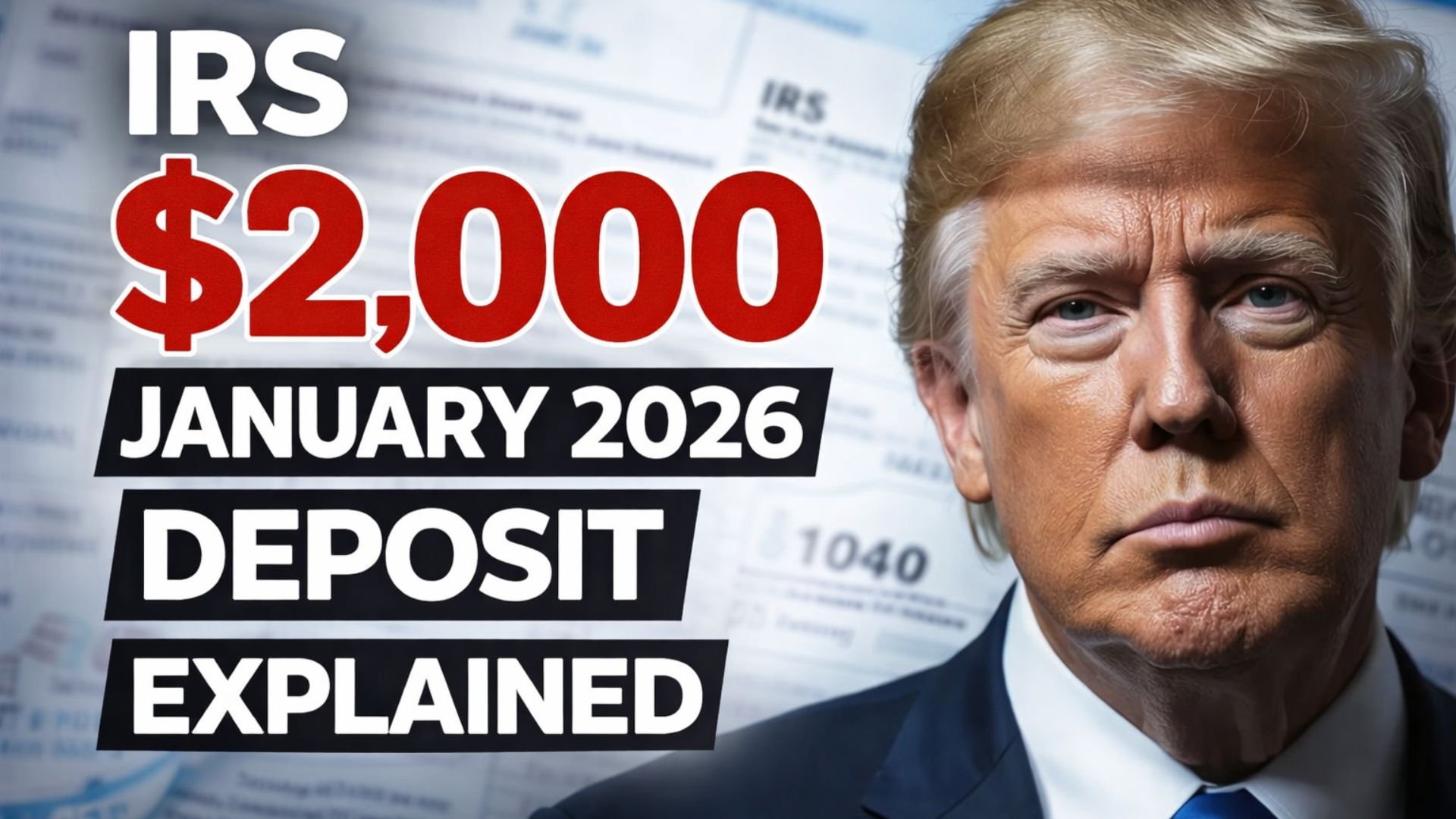
As January 2026 approaches, many taxpayers are paying close attention to reports about a $2,000 deposit announced by the IRS. With household expenses remaining high, this payment could provide meaningful relief for eligible individuals and families. To avoid confusion and missed opportunities, it is important to understand who may qualify, how the payment will be delivered, and what steps to take if the deposit does not arrive as expected.
What the IRS $2,000 Deposit Means
The IRS $2,000 deposit scheduled for January 2026 is a federal payment intended for eligible taxpayers based on specific criteria. This payment is not automatic for everyone and is tied to tax records, income limits, and filing status. The IRS uses information from previous tax returns to determine who qualifies and how the payment is sent.
Eligibility Factors to Know
Eligibility for the $2,000 deposit generally depends on filing status, adjusted gross income, dependent claims, and having a valid Social Security number. Taxpayers must usually be U.S. residents and have filed a tax return when required. Individuals who exceed income limits or do not meet residency or identification requirements may be excluded. The IRS is expected to publish final income thresholds and detailed rules closer to the payment date.

When and How Payments Are Sent
The IRS plans to begin issuing the $2,000 deposits in January 2026. Payments are usually sent in waves, not all at once. If the IRS has your bank details on file, you may receive the money through direct deposit, which is the fastest method. Others may receive a paper check or debit card by mail. Bank processing times can affect when the funds appear, so some delays of a few business days are normal.
What to Do If You Do Not Receive the Deposit
If you believe you are eligible but do not receive the $2,000 deposit, do not assume it is lost. The IRS typically allows taxpayers to claim missing payments when filing their tax return for the relevant year. Checking official IRS online tools can help confirm whether the payment was issued and where it was sent.
Handling Errors or Incorrect Deposits
If a deposit is sent to an old bank account, wrong address, or another person, it is important to act quickly. Contact both your bank and the IRS to report the issue. Do not spend money that was deposited in error. Returning incorrect funds and providing documentation helps prevent legal or administrative problems.

Keeping Records and Staying Prepared
Keeping copies of tax returns, bank statements, and IRS notices is essential. These records may be required if you need to prove a payment was not received. If your situation is complex, such as recent moves or family changes, a tax professional can help resolve issues more efficiently.
Final Thoughts
The IRS $2,000 deposit for January 2026 can be valuable support for eligible taxpayers, but it requires careful attention to eligibility and records. Staying informed, checking official IRS updates, and acting promptly if problems arise will help ensure you receive what you are entitled to without unnecessary delays.
Disclaimer:
This article is for informational purposes only and does not constitute tax, legal, or financial advice. IRS payment rules, eligibility requirements, and timelines may change. Individual circumstances vary, and readers should consult official IRS resources or a qualified tax professional for guidance specific to their situation.