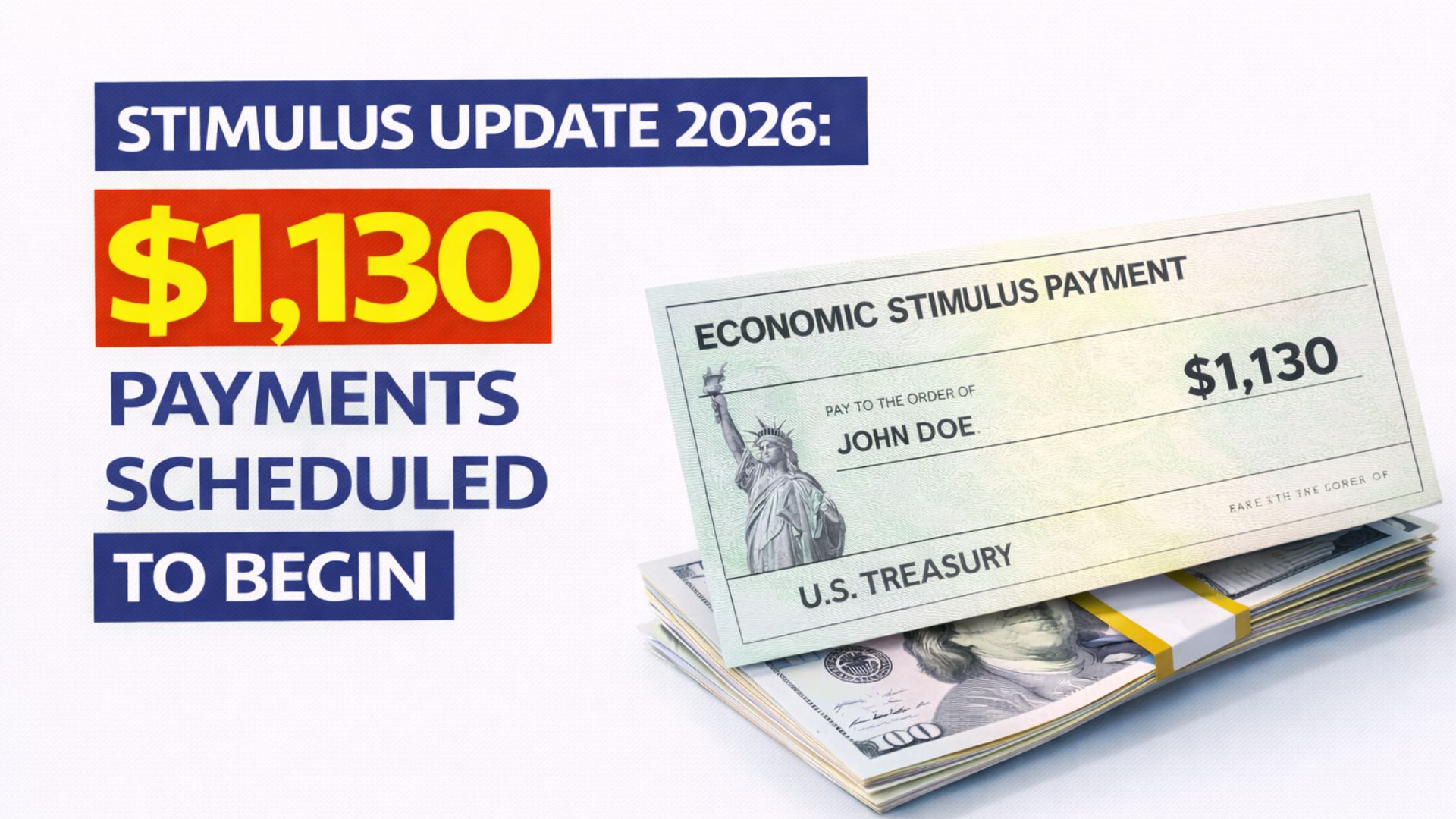
As 2026 approaches, discussions around a possible $1,130 stimulus payment are gaining attention, especially among households struggling with rising living costs. Higher prices for food, rent, fuel, and healthcare continue to strain budgets, making any form of financial relief feel important. While this payment has not yet been fully confirmed in every detail, policy talks and budget signals suggest that targeted support is being considered rather than a broad, nationwide payout.
What the $1,130 Stimulus Payment Means
The proposed $1,130 stimulus payment is being discussed as a one-time relief measure aimed at helping people cover everyday expenses. Unlike the large stimulus checks issued during the pandemic, this payment is expected to be more focused. The goal is to support those who need it most, while also encouraging spending that can help the overall economy. Lawmakers appear to be favoring direct financial help that reaches households quickly and efficiently.
Who May Qualify for the Payment
Eligibility is likely to follow patterns seen in earlier relief programs. Low- and middle-income individuals and families are expected to be the primary focus. Seniors living on fixed incomes, people receiving certain government benefits, and working families facing high costs may also qualify. Residency and tax filing status are expected to play a major role, as government agencies usually rely on recent tax returns or benefit records to determine eligibility. If you have filed taxes recently or receive regular government assistance, you may be considered automatically.

Payment Amount and Distribution Timing
The $1,130 figure is being discussed as a one-time payment per eligible individual. Final rules could adjust amounts for couples or households, depending on income and filing status. If the plan is approved, payments are expected to roll out in phases, starting with direct deposits. People without bank information on file may receive paper checks or prepaid debit cards later. Because payments are usually staggered, not everyone will receive funds on the same day.
How Payments Are Likely to Be Processed
Government agencies typically use existing records to send stimulus payments. Income thresholds would likely be based on the most recent tax filings, while benefit recipients may be verified through Social Security or similar systems. If your income has changed since your last tax return, it could affect eligibility or payment amounts. In some cases, there may be an option to update information through an official online portal.
How to Prepare and Stay Informed
Even before final approval, there are simple steps people can take to stay ready. Filing your latest tax return accurately and keeping bank details updated can help avoid delays. Benefit recipients should also make sure their contact information is current. It is important to rely on official government announcements rather than social media claims, as scams often appear when stimulus news spreads.

Why This Payment Matters
For many households, a $1,130 payment could provide short-term relief and help manage essential expenses. While it may not solve long-term financial challenges, it could offer a meaningful cushion during a difficult period in 2026.
Disclaimer:
This article is for informational purposes only. The $1,130 stimulus payment discussed here has not been fully confirmed, and details such as eligibility, amount, and payment dates may change. Readers should rely on official government announcements and consult qualified financial or tax professionals before making decisions based on potential stimulus programs.