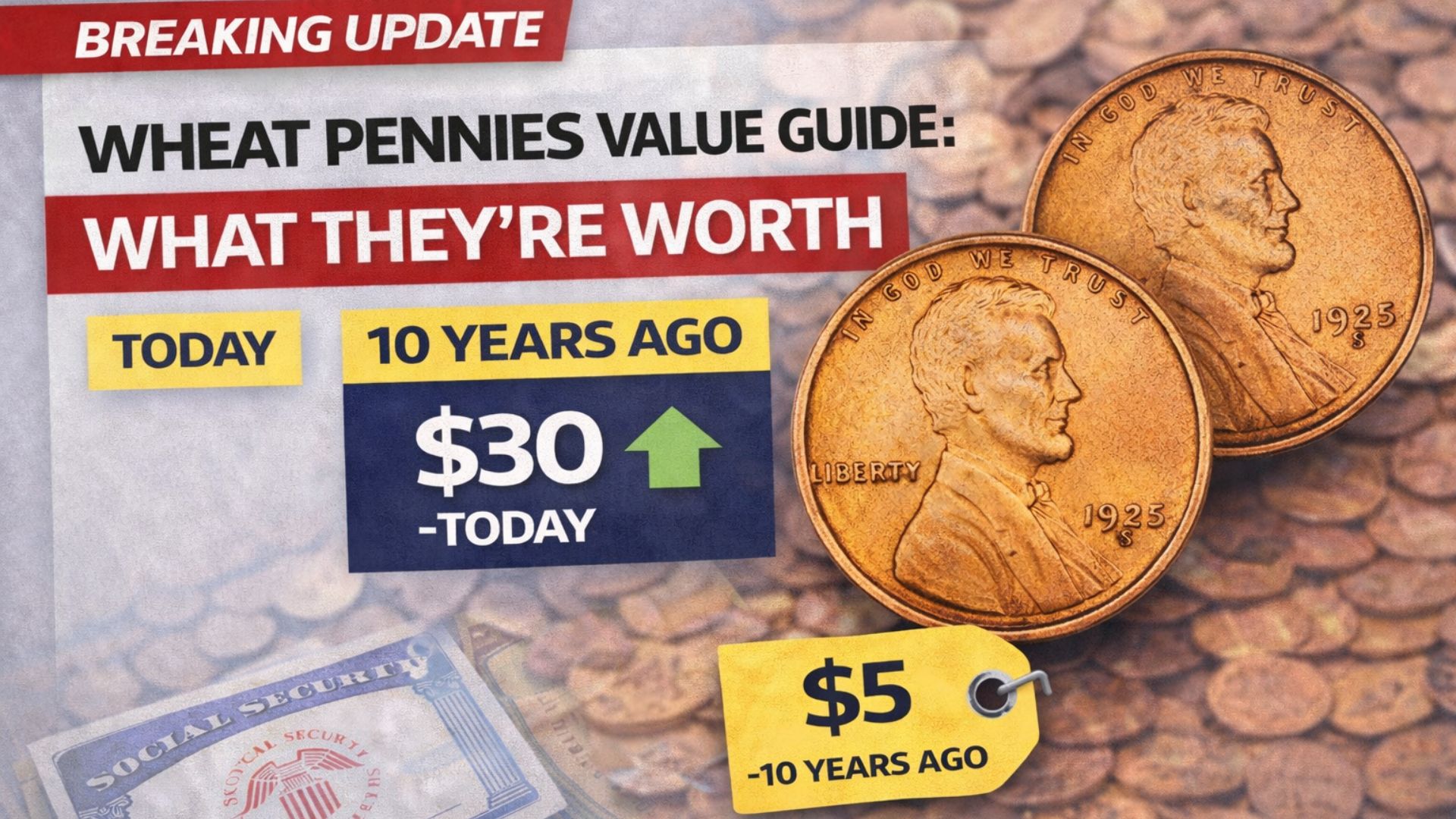
Wheat pennies, also called Lincoln Wheat Cents, hold a special place in American coin collecting. These coins were minted from 1909 to 1958 and are easy to recognize by the two wheat stalks on the back. Once used as everyday money, wheat pennies have slowly turned into valuable collectibles. Over the past ten years, their prices have shown steady growth, making them interesting for both new and experienced collectors.
Why Wheat Pennies Are Popular with Collectors
One major reason wheat pennies remain popular is their historical importance. They were the first U.S. coins to feature a real person, President Abraham Lincoln, instead of a symbolic figure. This made them unique at the time and still appealing today. Collectors also like wheat pennies because they are more affordable than many other old coins, yet they still offer the chance to find rare and valuable pieces.
Another factor behind their popularity is variety. Wheat pennies were made at different mints, in different years, and sometimes with errors. These differences strongly affect how much a coin is worth.

Price Trends Over the Last Ten Years
During the past decade, wheat penny values have generally increased. Common wheat pennies are still easy to find and remain affordable, especially if they are worn. However, even these common coins are now worth more than they were ten years ago, mainly because fewer high-quality examples remain.
Coins that are well preserved, with sharp details and original color, have seen the biggest price increases. Collectors today are more focused on condition than ever before.
Key Dates That Drive Higher Values
Some wheat pennies are far more valuable than others. Early coins and those with low production numbers are especially desirable. Famous examples include the 1909-S VDB, 1914-D, and 1931-S wheat pennies. Over the last ten years, prices for these key dates have risen sharply, particularly for coins in excellent condition.

Why Condition Matters So Much
Condition plays a huge role in determining value. Wheat pennies are graded from very worn to mint state. Even a small difference in condition can cause a large price change. In recent years, collectors have shown strong preference for coins in high grades, pushing their values up faster than lower-grade coins.
How to Estimate Your Wheat Penny’s Value
To estimate value, first check the year and mint mark on the front of the coin. Then examine its condition, looking for wear, scratches, or fading. Unusual features like doubled lettering or off-center strikes can also increase value. Comparing your coin with recent auction results or price guides can give a clearer idea of what it may be worth.
Final Thoughts on Wheat Penny Collecting
Wheat pennies continue to be a rewarding area of coin collecting. Their steady price growth over the last ten years shows strong long-term interest, especially for rare dates and well-preserved coins. With patience, research, and careful handling, collectors can enjoy both the history and value these coins offer.

Disclaimer:
This article is for informational purposes only. Coin values change based on condition, rarity, and market demand. Prices mentioned are not guaranteed. Readers should consult current price guides or professional coin dealers before buying or selling any coins.